

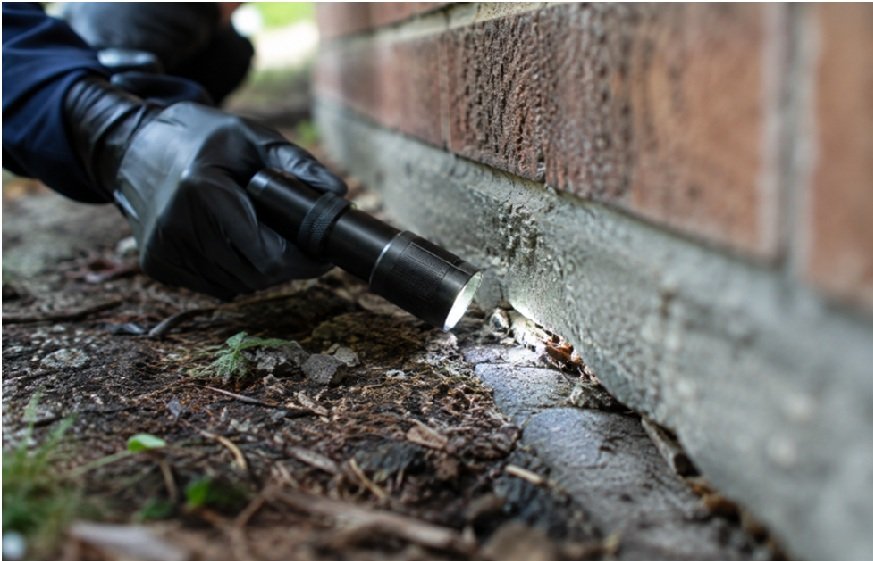
When ants reappear in the kitchen, spiders keep showing up in the basement, or mice return after a temporary fix, the underlying conditions often need attention as much as the pests themselves. Homeowners looking for inspection, treatment, and prevention support can explore Green Pest Services Northern Virginia to review available pest control options and request an estimate for their property.
A practical pest control plan considers what is happening inside and outside the home. Rather than assuming every sighting requires the same response, a professional assessment can help distinguish a minor issue from an ongoing infestation, identify likely sources of activity, and establish sensible next steps.
Why Do Pest Problems Keep Returning?
Pests return when a home continues to provide accessible food, moisture, shelter, or ways to get inside. Unsealed food, pet food left out overnight, damp utility areas, leaking pipes, clutter, standing water, and gaps around pipes or foundations can all contribute. The Integrated Pest Management principles supported by the U.S. Environmental Protection Agency emphasize identification, monitoring, prevention, and targeted control instead of relying on one action alone.
Visible insects or rodents are not always the full problem. Ants may be following a food source, rodents may be entering through small openings, and mosquitoes may be developing near standing water outdoors. Treating the immediate activity can be useful, but preventing future activity also means addressing the conditions that support it.
How Green Pest Services Assesses Pest Risk
An effective service visit begins with details. The technician may ask where pests have been seen, when the activity began, whether it is seasonal, and whether the homeowner has tried any previous treatments. That information helps guide inspection and treatment decisions.
- Identify the pest: Accurate identification matters because ants, roaches, rodents, termites, bed bugs, mosquitoes, ticks, and stinging insects require different approaches.
- Inspect contributing conditions: The evaluation may include likely entry points, moisture sources, food access, nesting areas, and outdoor harborage.
- Match the service to the problem: A recurring indoor pest issue may call for general pest control, while rodent, termite, or bed bug concerns may require specialty service.
- Set prevention priorities: Homeowners may be advised to seal openings, reduce clutter, repair leaks, or improve sanitation.
- Plan follow-up: Continued monitoring or scheduled service can be appropriate when pest pressure is ongoing.
For homeowners who want a property-specific recommendation, Green Pest Services provides residential and commercial pest management options designed around the pest concern and the property’s conditions.
Read More: 10 Reasons Why Timely Pest Control Saves You Money and Sanity in Rockville, MD
Services Available for Common Pest Concerns
General Pest Control
General service can help address recurring household pests such as ants, roaches, spiders, and other insects. Ongoing prevention is especially helpful when activity is linked to seasonal changes or repeated access points around the home.
Rodent, Termite, and Bed Bug Control
Rodent concerns may involve droppings, gnaw marks, nesting materials, or noises in walls and ceilings. Termite warning signs can include swarmers, discarded wings, mud tubes, or damaged wood. Bed bug concerns may involve insects, spotting, shed skins, or evidence around mattresses and upholstered furniture. Each situation benefits from careful inspection before treatment decisions are made.
Mosquito, Tick, and Commercial Pest Control
Outdoor services can support homeowners dealing with mosquito and tick activity around yards, play areas, patios, and landscaping. Green Pest Services also offers commercial pest control for businesses that need a treatment plan suited to their facility, schedule, and pest risk.
A Safer, Prevention-Focused Approach
Responsible pest management does not mean ignoring an infestation. It means using the appropriate response for the pest, location, and level of activity. Prevention, exclusion, sanitation, monitoring, traps, and targeted treatment can work together to reduce pest pressure while avoiding unnecessary application. Homeowners should always share information about children, pets, sensitive areas, and any previous products used at the property.
Why Quarterly Service Can Be Useful
Pest activity can change through the year as weather, moisture, landscaping, and household conditions change. Green Pest Services describes its quarterly service as year-round protection and states that it will return without an additional charge if covered pest activity continues after service. A return visit is an accountability feature, not a guarantee that every issue will disappear immediately. Hidden nests, multiple entry points, and pest life cycles can make follow-up important.
When to Request Professional Pest Control
- Repeated sightings inside the home or pests returning after DIY treatment.
- Rodent droppings, gnawing, nesting material, or scratching sounds.
- Possible termite signs, including mud tubes, swarmers, or damaged wood.
- Wasps or bees nesting near doors, rooflines, decks, or play areas.
- Heavy mosquito or tick activity around the yard.
- Possible bed bug evidence on bedding, furniture, luggage, or nearby seams.
- Uncertainty about the pest causing damage, bites, or repeated activity.
How Homeowners Can Prepare for a Visit
- Write down where and when the activity was noticed.
- Take a clear photo of the pest or damage when it is safe to do so.
- Secure food, pet food, trash, and recycling.
- Clear clutter from areas that may need inspection.
- Tell the technician about pets, children, medical concerns, and previous treatments.
- Ask about preparation requirements, service scope, follow-up timing, and covered pests.
Read More: Pest Problems in St. Louis’ Old Sewers and Drainage Lines
Professional Service Compared With a One-Time DIY Fix
- DIY prevention: Cleaning, sealing small gaps, reducing moisture, and managing standing water can be valuable first steps.
- Professional evaluation: A trained technician can help identify the pest, inspect likely hiding places, and recommend a treatment plan based on the property.
- Ongoing protection: A recurring service can provide monitoring and follow-up when a one-time treatment has not resolved the problem.
- Specialty concerns: Rodents, termites, bed bugs, and persistent outdoor biting pests often require more focused planning than a general store-bought treatment.
Recurring pest problems are best addressed by treating both the pest and the conditions that allow it to return. For Northern Virginia homeowners, a clear inspection, practical prevention steps, and a follow-up plan can provide a more durable response than simply reacting to the latest sighting.