

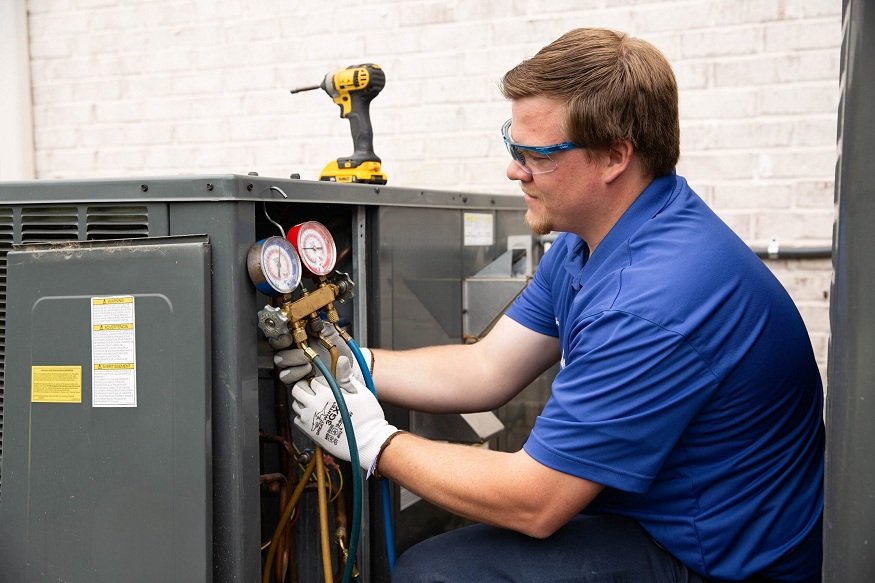
Choosing a new heating system is an important decision that affects home comfort, energy consumption and long-term household costs. The right option depends on the size and layout of the property, the local climate, the condition of the existing equipment and the amount a homeowner is prepared to invest. Understanding these factors before making a purchase can help avoid an unsuitable installation.
Homeowners exploring heating installation and replacement in Chattanooga, TN should consider how different systems perform, what installation involves and which option suits their property’s requirements. A professional assessment can help establish the appropriate system size, identify any necessary modifications and clarify the costs involved before work begins.
Assess Your Home’s Heating Requirements
The first step is to understand how much heating your property needs. Factors such as floor area, ceiling height, insulation, window quality and room layout all influence the amount of heat required. A system that is too small may struggle to maintain comfortable temperatures, while an oversized unit can cycle on and off too frequently, potentially affecting efficiency and comfort.
Read More: What to avoid with your summertime gardening
A qualified heating professional can assess these factors and recommend suitable equipment. Homeowners should also consider how the property is used throughout the day, whether certain rooms need independent temperature control and whether an extension or renovation is planned. Taking these details into account helps ensure the selected system meets current needs without overlooking future changes.
Compare Different Heating System Types
Several heating options may be suitable for residential properties, depending on the existing infrastructure and household requirements. Furnaces distribute warm air through ductwork, while boilers heat water for radiators or underfloor heating. Heat pumps transfer heat rather than generating it directly through combustion, making them another option worth evaluating where the property and climate are suitable.
Before deciding, compare the practical advantages and limitations of each system. Consider the following:
- Heat pumps: Can provide heating and, in some models, cooling, but performance depends on the system, outdoor conditions and installation.
- Furnaces: Can deliver heat quickly through ductwork, although fuel availability and ventilation requirements need consideration.
- Boilers: Work with water-based heating systems but may require compatible pipework and radiators.
- Electric heating: Can suit certain rooms or smaller properties, although running costs depend on electricity tariffs and equipment efficiency.
The best choice depends on the property rather than a single feature or advertised efficiency rating.
Consider Energy Efficiency and Running Costs
The purchase price is only one part of the overall cost of owning a heating system. Energy consumption, routine servicing, expected repairs and the availability of replacement parts can all affect long-term expenditure. Comparing equipment specifications and estimated running costs can help homeowners understand the likely financial implications of different options.
When reviewing heating installation and replacement in Chattanooga, TN, ask the contractor to explain the expected performance of the recommended system and the assumptions behind any energy-saving estimates. Efficiency labels and manufacturer information are useful starting points, but actual results depend on installation quality, insulation, thermostat settings and how the equipment is operated.
Check Installation Requirements and Existing Equipment
A new heating system may require more than simply removing the old unit and connecting its replacement. Existing ductwork, pipework, electrical connections, ventilation and controls may need inspection or modification. The scope of work depends on the equipment selected and the condition of the property’s current heating infrastructure.
Before approving a quotation, ask what the installation includes and whether additional work may be required. It is sensible to clarify the expected timescale, access arrangements, disposal of old equipment and any disruption to heating or hot water. Confirm that the contractor will obtain any permits required for the work and comply with applicable building and safety regulations.
Choose a Suitable Contractor
The quality of installation is just as important as the equipment itself. Incorrect sizing, poor connections or unsuitable system settings can affect performance and may contribute to future problems. Look for a contractor with relevant experience, appropriate licensing and insurance, and a clear explanation of the proposed work.
Read More: The Ultimate Guide to Choosing the Right Water Purifier for Your Home
Request a written quotation that separates equipment costs from labour and additional installation work. Check the warranty terms, commissioning process and recommended maintenance schedule. You should also understand who to contact if a fault develops after installation and whether the contractor provides documentation explaining how to operate the new system.
Conclusion
Choosing a new heating system involves balancing comfort, installation requirements, energy efficiency and long-term costs. Assessing the property’s heating needs, comparing suitable technologies and checking the condition of existing infrastructure can help homeowners narrow their options and avoid decisions based solely on the initial purchase price.
Before committing, obtain a professional assessment and compare detailed quotations from qualified contractors. A well-selected system, installed correctly and maintained according to the manufacturer’s recommendations, can provide dependable heating and suit the household’s needs for years to come.


