

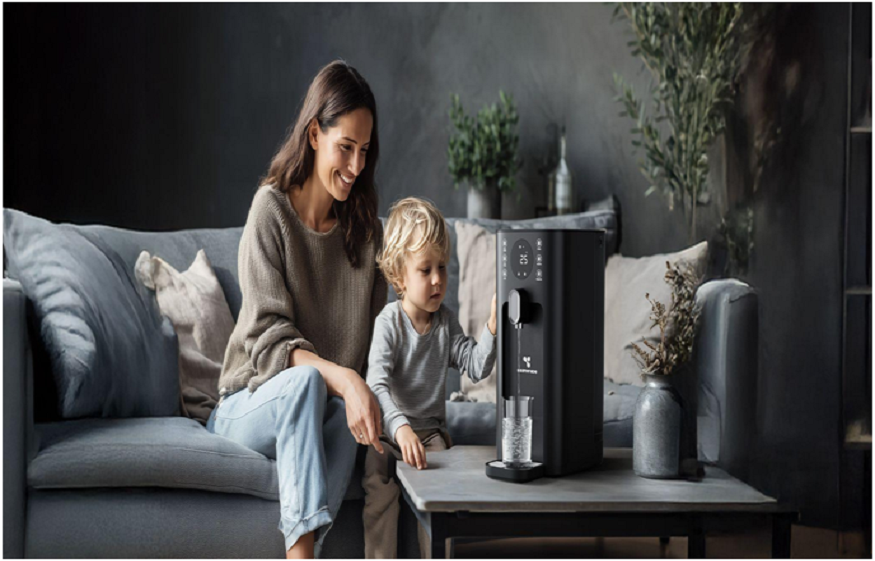
Clean and safe drinking water is essential for a healthy life. However, with increasing pollution levels, access to pure water has become a growing concern for many households. This is where a water purifier plays a crucial role. It not only removes harmful contaminants but also ensures that the water you consume is safe, healthy, and pleasant in taste.
In this article, we will explore everything you need to know about water purifiers, including their importance, types, benefits, and how to choose the best one for your home.
Why You Need a Water Purifier
Water from natural and municipal sources often contains impurities such as bacteria, viruses, heavy metals, and chemicals. Even if the water looks clean, it may still carry invisible contaminants that can harm your health over time.
A water purifier helps eliminate these impurities and provides water that is safe for drinking, cooking, and other daily uses. It reduces the risk of waterborne diseases such as cholera, typhoid, and diarrhea, which are common in areas with untreated water supplies.
Moreover, purified water improves taste and odor, making it more enjoyable to drink. This encourages better hydration, which is essential for overall well-being.
Types of Water Purifiers
There are several types of water purifiers available in the market, each designed to address specific water quality issues. Understanding these types can help you make an informed decision.
1. Reverse Osmosis (RO) Purifiers
RO purifiers use a semi-permeable membrane to remove dissolved salts, heavy metals, and harmful chemicals. They are ideal for areas with hard water or high levels of dissolved impurities.
Read More: Soft Lighting Ideas for Relaxing Bedroom Ambience
2. Ultraviolet (UV) Purifiers
UV purifiers use ultraviolet light to kill bacteria and viruses. They are effective in disinfecting water but do not remove dissolved impurities.
3. Ultrafiltration (UF) Purifiers
UF purifiers use a membrane to filter out bacteria and suspended particles. They do not require electricity and are suitable for areas with low contamination levels.
4. Activated Carbon Filters
These filters remove chlorine, bad odor, and organic compounds. They are often used as a pre-filter or in combination with other purification technologies.
Key Benefits of Using a Water Purifier
Installing a water purifier in your home offers numerous advantages beyond just clean water.
Improved Health
By removing harmful contaminants, water purifiers significantly reduce the risk of diseases. This is especially important for children, elderly individuals, and people with weakened immune systems.
Better Taste and Odor
Purified water tastes fresher and smells better, encouraging regular consumption. This can lead to improved hydration and overall health.
Cost-Effective Solution
While the initial investment may seem high, a water purifier saves money in the long run by reducing the need for bottled water. It is also an environmentally friendly option, as it minimizes plastic waste.
Convenience
Having a water purifier at home ensures a constant supply of clean water without the need to boil or purchase bottled water.
Factors to Consider When Choosing a Water Purifier
Selecting the right water purifier depends on several factors. Here are some important considerations:
Water Quality
Before buying a purifier, get your water tested. This will help you identify the type of contaminants present and choose a purifier that addresses those specific issues.
Storage Capacity
Consider the size of your family and daily water consumption. Choose a purifier with adequate storage capacity to meet your needs.
Read More: The Ultimate Guide to California Casual Style for Your Home
Maintenance and Cost
Different purifiers require different levels of maintenance. Check the cost of filter replacement and servicing before making a decision.
Power Consumption
Some purifiers, such as RO and UV systems, require electricity. If you live in an area with frequent power outages, you may want to consider alternatives like UF purifiers.
Modern Innovations in Water Purification
The water purification industry has seen significant advancements in recent years. Modern systems combine multiple technologies to provide comprehensive purification.
For example, many purifiers now use RO + UV + UF combinations to ensure maximum safety. Some models also include smart features such as filter change alerts, digital displays, and real-time water quality monitoring.
Interestingly, innovations in kitchen appliances have also influenced purifier designs. Just as advanced cooking solutions like Ciarra One have redefined convenience and efficiency in modern homes, water purifiers are evolving to become more compact, stylish, and user-friendly.
Environmental Impact of Water Purifiers
While water purifiers offer numerous benefits, it is important to consider their environmental impact. RO purifiers, for instance, tend to waste some water during the filtration process.
To minimize this impact, look for models with water-saving technology. You can also reuse wastewater for cleaning or gardening purposes.
Additionally, choosing energy-efficient models and maintaining them properly can further reduce their environmental footprint.
Maintenance Tips for Long-Lasting Performance
Proper maintenance is essential to ensure that your water purifier functions effectively.
- Replace filters regularly as recommended by the manufacturer
- Clean the storage tank periodically
- Check for leaks or unusual noises
- Schedule professional servicing when needed
Regular maintenance not only extends the life of your purifier but also ensures consistent water quality.
Common Myths About Water Purifiers
There are several misconceptions about water purifiers that can confuse buyers.
Myth 1: Boiling Water is Enough
While boiling kills bacteria, it does not remove chemicals, heavy metals, or dissolved impurities.
Myth 2: All Purifiers Are the Same
Different purifiers use different technologies and are designed for specific water conditions.
Myth 3: Purified Water Lacks Essential Minerals
Some advanced purifiers come with mineral retention or addition features to maintain a healthy balance.
Future of Water Purification
The future of water purification looks promising, with ongoing research and innovation. Technologies such as nanofiltration, AI-based monitoring, and eco-friendly filtration systems are expected to revolutionize the industry.
As awareness about water quality continues to grow, more households are likely to invest in advanced purification systems.
Conclusion
A water purifier is no longer a luxury but a necessity in today’s world. With rising pollution and increasing health concerns, having access to clean drinking water is more important than ever.
By understanding the different types of purifiers, their benefits, and the factors to consider, you can make an informed decision that suits your needs and budget.
Investing in the right water purifier not only protects your health but also contributes to a better quality of life. Take the time to evaluate your options and choose a system that ensures safe and pure water for you and your family.
Clean water is the foundation of good health, and the right purifier can make all the difference.